

Do a SOC 2 readiness assessment before you schedule a formal audit, and lock your scope first. Most U.S. service organizations get better results from an auditor-aligned or auditor-performed engagement than a pure DIY effort. Your immediate next step: build a two-page scope diagram and open a gap register with owner, evidence, priority, and due date for every item.
TL;DR:
- Conduct a SOC 2 readiness assessment with an auditor or advisor to identify gaps, define scope, and gather evidence, reducing the risk of audit exceptions.
- Building a detailed scope diagram and control matrix early helps prevent scope disputes and clarifies which Trust Services Criteria apply, saving time and costs.
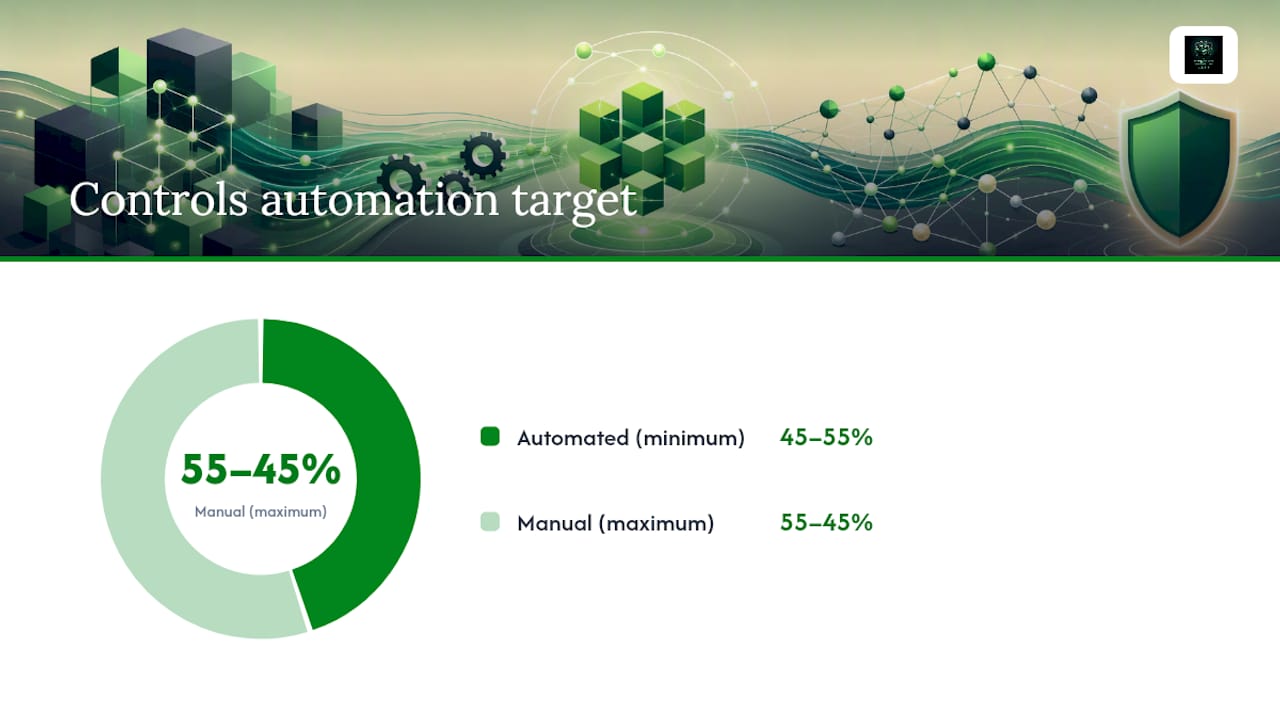
- Automating around 45-55 percent of controls and evidence collection minimizes manual effort, speeds up readiness, and lowers audit fees.
- A mock audit 90 days before a Type 2 report uncovers significant gaps, enabling prioritized remediation and reducing surprises during fieldwork.
- Engaging a vCISO accelerates gap closure through parallel workstreams, streamlining scope, controls, and documentation without internal resource overload.
Table of Contents
- What Is SOC 2 Audit Readiness, and Why Does It Matter?
- Self-Assessment vs Auditor-Aligned vs Auditor-Performed: Which Model Fits?
- Step-by-Step SOC 2 Readiness Checklist Mapped to the Trust Services Criteria
- What Evidence Do Auditors Actually Expect?
- How Do You Scope a SOC 2 System Description Correctly?
- How Long Does SOC 2 Readiness Actually Take?
- How Do Mock Audits Catch Problems Before They Cost You?
- How CisoSafe's vCISO Model Accelerates Readiness
- Where to Verify SOC 2 Requirements Directly
- What the Readiness Checklists Get Wrong
- Get Audit-Ready Without Building a Compliance Team From Scratch
- Sources
What Is SOC 2 Audit Readiness, and Why Does It Matter?
A SOC 2 readiness assessment is a pre-examination gap analysis. It measures your scope, controls, and evidence against the AICPA Trust Services Criteria before an actual auditor ever opens a file. That's different from a self-assessment, which is usually an internal checklist exercise with no independent eye on it. Readiness work is structured, documented, and built to produce a specific deliverable.
The output should be a gap register mapping each finding to an owner, required evidence, priority, and due date, plus a draft System Description and an evidence inventory. Skipping this step is how organizations end up with audit exceptions they could have caught months earlier.
A solid readiness assessment gives you:
- A gap register tied to accountable owners, not vague action items
- A draft System Description you can hand to an auditor without rewriting it three times
- An evidence list showing what exists, what's missing, and what needs automation
- A realistic read on how much remediation time you actually need
Skip readiness and you're gambling on schedule risk, audit fees, and your reputation with customers who asked for the report in the first place.
Self-Assessment vs Auditor-Aligned vs Auditor-Performed: Which Model Fits?
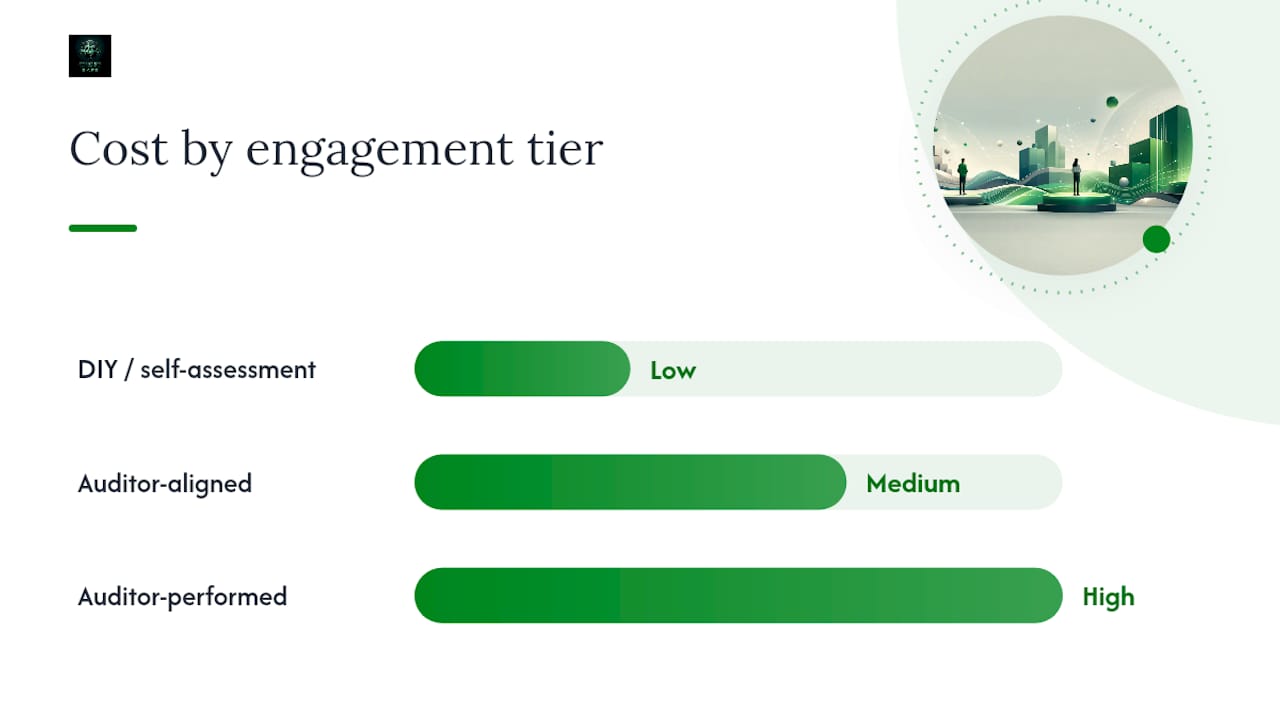
Three engagement tiers cover most SOC 2 readiness work, and picking the wrong one wastes both time and budget.
- DIY / self-assessment. Your internal team runs the gap analysis using AICPA criteria and internal tools. Cheapest option, but risky if nobody on staff has been through a SOC 2 cycle before.
- Auditor-aligned. An outside auditor or advisory firm validates your internal work at key checkpoints, catching design flaws before they become fieldwork exceptions.
- Auditor-performed. An auditor runs the full readiness assessment and issues a formal gap report. Most confidence, highest cost, fastest path for teams without prior SOC exposure.
Even experienced teams rarely nail a flawless DIY readiness pass. At minimum, involve an auditor for critical design decisions or schedule periodic auditor-aligned checkpoints.
Pro Tip: Match the tier to your team's SOC history, not your budget alone. A cheap DIY pass that fails fieldwork costs more in delay and re-audit fees than an auditor-aligned checkpoint would have.
One independence note worth flagging early: the same firm that performs your readiness remediation generally should not also issue your final audit opinion. Auditors assess and report; your team owns the fixes.
Step-by-Step SOC 2 Readiness Checklist Mapped to the Trust Services Criteria
Readiness work breaks into distinct phases, each mapped to a specific Trust Services Criteria category.
Scoping. Name every service in scope, the infrastructure regions involved, how data flows between systems, and every subservice organization touching customer data (cloud hosting, payment processors, ticketing platforms).
Control matrix. Build one spreadsheet or platform record per control with these columns: control owner, artifact name, automation status, last tested date, and remediation deadline. This single artifact becomes your audit backbone.
Policy and procedure finalization. Auditors expect current, signed-off documents covering:
- Incident response plan with defined roles and escalation paths
- Vendor management policy, including due diligence and monitoring cadence
- Change management procedure with approval and rollback steps
- Access control policy covering provisioning, review, and deprovisioning
- Encryption standards for data at rest and in transit
Operational tasks during the observation window. A Type 2 report tests whether controls operated consistently over time, not just whether they exist on paper. That means running:
- Quarterly access reviews with documented sign-off
- A live vulnerability management pipeline from scan to remediation ticket
- Data loss prevention monitoring on sensitive data paths
- Verified, tested backup and recovery cycles
Each of these maps directly to a Trust Services Criteria category, whether that's Logical and Physical Access Controls, Change Management, or Risk Mitigation. Skip the mapping step and you'll find yourself scrambling to explain relevance to an auditor mid fieldwork.
What Evidence Do Auditors Actually Expect?
Auditors don't want a folder of screenshots. They want evidence that answers four questions on sight: who performed the action, when, what artifact proves it, and which control it supports.
Manual evidence collection is where readiness projects lose the most time. Auditors increasingly expect continuous evidence over the audit window rather than a scramble of point-in-time screenshots gathered the week before fieldwork.
Practical automation patterns that hold up well in fieldwork:
- Vulnerability scanner findings that auto-generate tickets, tracked against an SLA dashboard
- SCIM provisioning tied to HRIS termination events, so deprovisioning evidence generates itself
- Centralized log aggregation with defined retention periods matching your observation window
- Access review exports pulled directly from your identity provider, not manually compiled
A realistic automation target for most organizations is 45 to 55 percent of Common Criteria controls automated from day one. Manual evidence collection above that threshold tends to increase auditor sampling and, in turn, audit fees.
For Type 2 engagements, retention matters as much as collection. Evidence needs to survive the full observation window, and sampling means auditors will pull records from random points across that period, not just the end.
How Do You Scope a SOC 2 System Description Correctly?
Scope decisions made in week one determine your audit cost and timeline for the entire engagement. A two-page scope diagram prevents disagreement with auditors later about what's actually in bounds.
That diagram should show:
- Every in-scope service and the customer-facing boundary around it
- Infrastructure regions and hosting providers involved
- Data flow paths between internal systems and third parties
- Every subservice organization with access to customer data
Scope changes which Trust Services Criteria categories apply. Adding Availability or Confidentiality as additional criteria (beyond the mandatory Security criteria) expands both testing and audit cost. Document subservice providers carefully, including contractual flow-down language confirming they carry their own compliance obligations. Skipping this step is a common reason auditors flag scope disputes mid-engagement.
How Long Does SOC 2 Readiness Actually Take?
Timelines vary by starting point, but four phases show up in nearly every engagement:
- Scoping: 1 to 4 weeks
- Remediation: 8 to 12 weeks typical, sometimes stretching to 16 for complex environments
- Observation window: 3 to 12 months, depending on Type 1 versus Type 2
- Fieldwork: 4 to 6 weeks
Teams starting from scratch typically need 4 to 9 months to reach audit-ready status, while mature teams with prior compliance experience can compress that to 1 to 2 months. Automation platforms tend to shave 2 to 4 months off that timeline by removing manual evidence bottlenecks.
Backward-planning example: if you want a Type 2 report covering a full calendar year by Q4, your observation window needs to start no later than January. Work backward from there to schedule remediation and scoping in the preceding fall.
How Do Mock Audits Catch Problems Before They Cost You?
Run a mock audit roughly 90 days before your observation window closes. This is a sampling exercise: a tester pulls evidence the way a real auditor would and checks it against your control matrix.
- Sample and test. Expect the mock audit to surface 8 to 15 significant gaps even in well-prepared organizations. That's normal, not a red flag.
- Prioritize the remediation register. Rank gaps by audit risk, not convenience. Missing access review evidence outranks a stale policy document every time.
- Assign and retest. Every gap needs an owner and a retest date before the observation window ends, not after.
Pro Tip: Treat the mock audit gap count as a health signal, not a failure. Zero findings usually means the tester wasn't sampling hard enough, not that your controls are flawless.
Successful verification means every mock-audit finding has a closed retest, documented evidence, and a control owner who can explain it without notes.
How CisoSafe's vCISO Model Accelerates Readiness
A vCISO closes gaps faster because the work happens in parallel, not in sequence. Instead of your team researching Trust Services Criteria mapping while also writing policies and chasing evidence, a vCISO runs scope definition, control matrix design, and policy drafting at the same time, then hands your team a prioritized remediation register instead of a blank checklist.
CisoSafe pairs that advisory work with a SaaS portal that automates penetration testing, compliance intake, and reporting across frameworks including SOC 2, HIPAA, and PCI DSS. For organizations juggling multiple frameworks, that overlap matters. A control built once for SOC 2 access reviews often satisfies HIPAA or PCI DSS requirements with minor adjustment, and a vCISO who's mapped that overlap before saves you from rebuilding the same control three times under three different names.
Where to Verify SOC 2 Requirements Directly
Confirm technical requirements against primary sources rather than relying on secondhand summaries. The AICPA's Trust Services Criteria and SOC guidance define the exact criteria auditors test against, and the AICPA SSAE guidance covers auditor responsibilities and independence rules. If you plan to reference your completed report in marketing materials, the AICPA's SOC logo guidance sets the permitted use rules.
What the Readiness Checklists Get Wrong
Most SOC 2 readiness content treats the process as a checklist you complete once and forget. That framing undersells the real risk. The gap register isn't a one-time document. It's a living record that should still be open, updated, and reviewed the week before fieldwork starts, not archived the moment remediation "feels" done.
The bigger blind spot is auditor independence. Plenty of guides quietly suggest letting one firm handle readiness, remediation, and the final audit, because it's convenient. That convenience creates a real conflict: the same team can't grade its own remediation work and claim independence in the final report. Compliance officers should ask this question explicitly before signing any engagement letter, not discover the answer during fieldwork.
Prioritize the control matrix over the narrative documents. Auditors sample evidence, not prose. A gap register with real owners and dates will save you more audit pain than a beautifully written policy manual nobody has tested against actual system behavior.
— vCISO
Get Audit-Ready Without Building a Compliance Team From Scratch
CisoSafe gives you the scoping discipline and control-matrix rigor this guide walks through, delivered by a vCISO instead of a full-time hire you'd need to recruit, train, and retain.
For most U.S. service organizations, the real barrier to SOC 2 audit readiness isn't knowledge. It's bandwidth. Compliance officers already juggling vendor reviews, incident response, and daily security operations rarely have room to also build a gap register, chase evidence owners, and run a mock audit on top of everything else. vCISO engagements can handle that work directly, potentially backed by a SaaS portal built for automated compliance intake and reporting across frameworks beyond SOC 2, including HIPAA and PCI DSS. That combination means your control matrix gets built once and reused, instead of rebuilt for every framework your customers ask about next.
If your organization is heading into a readiness assessment or already mid-remediation, start a conversation with CisoSafe about what your scope and timeline actually look like.
Sources
- How to Run a SOC 2 Readiness Assessment: A 7-Step Framework (2026)
- SOC 2 Readiness Assessment Checklist – Aprio
- SOC 2 Readiness Assessment Checklist: Prepare Before the Audit
- AICPA SOC resources